
How Travellers Are Rethinking Holidays in 2026
The classic summer holiday isn't disappearing, but it is evolving.
For many years, the formula was simple - book a week or two in a popular Mediterranean destination during July or August, visit the main attractions and head home with a camera full of photos.
Today, travellers are making different choices. Rising temperatures, larger crowds, changing travel regulations and a growing desire for more meaningful experiences are influencing how people plan their holidays.
Here are some of the key ways travellers are rethinking travel in 2026.
Looking Beyond the Traditional Hotspots
Destinations such as Spain, Greece and Italy remain hugely popular, but many travellers are becoming more selective about where and when they visit.
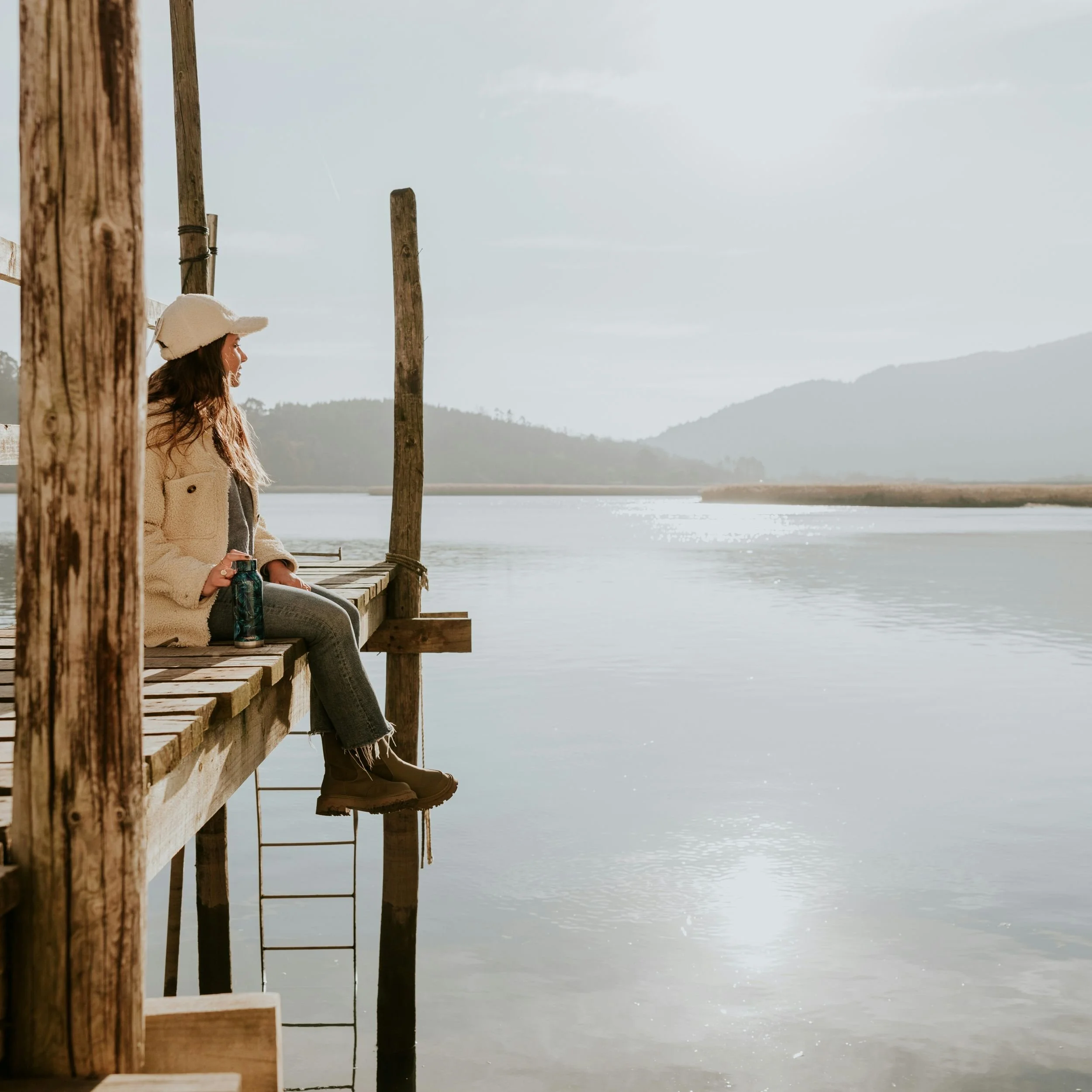
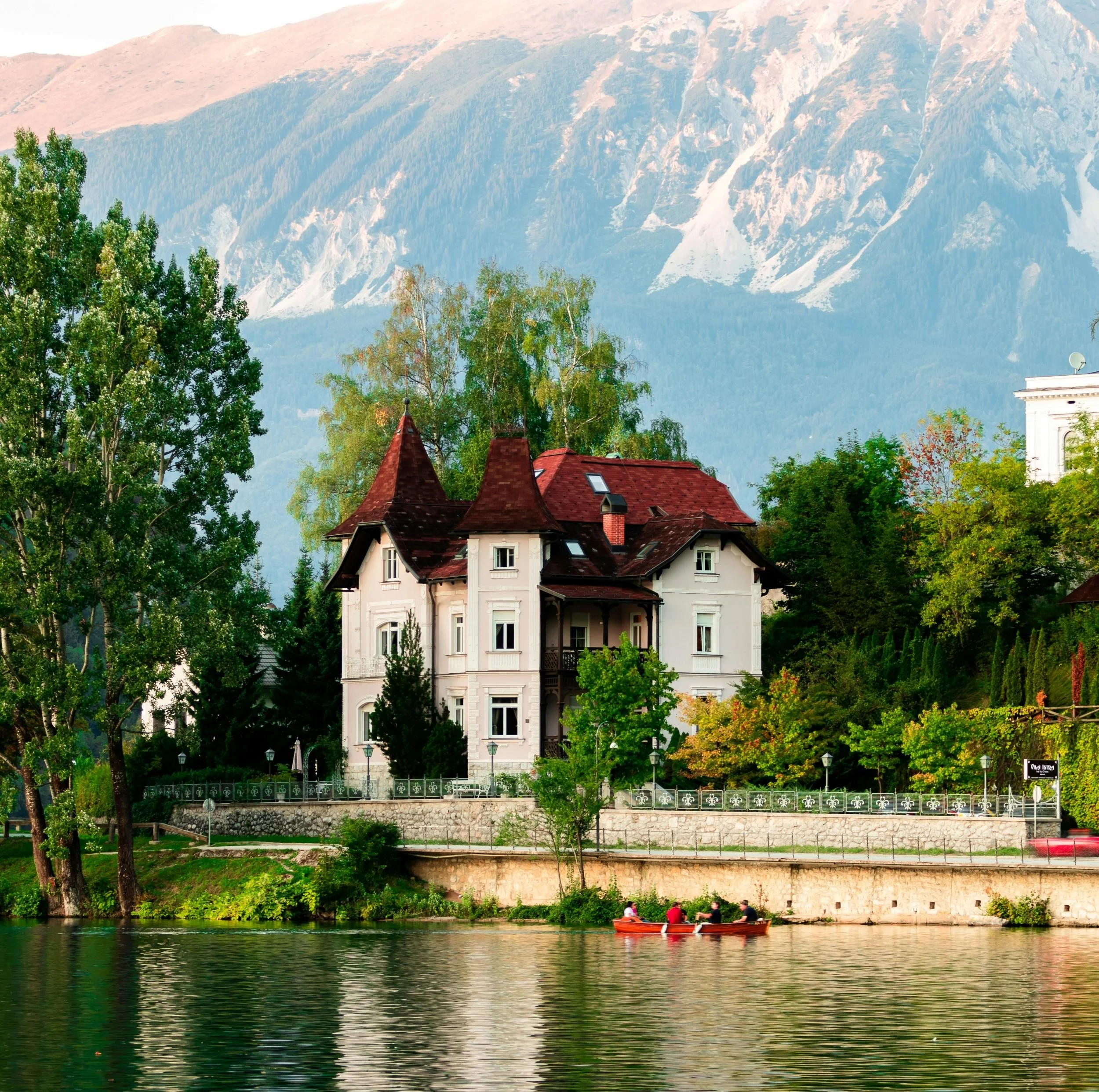
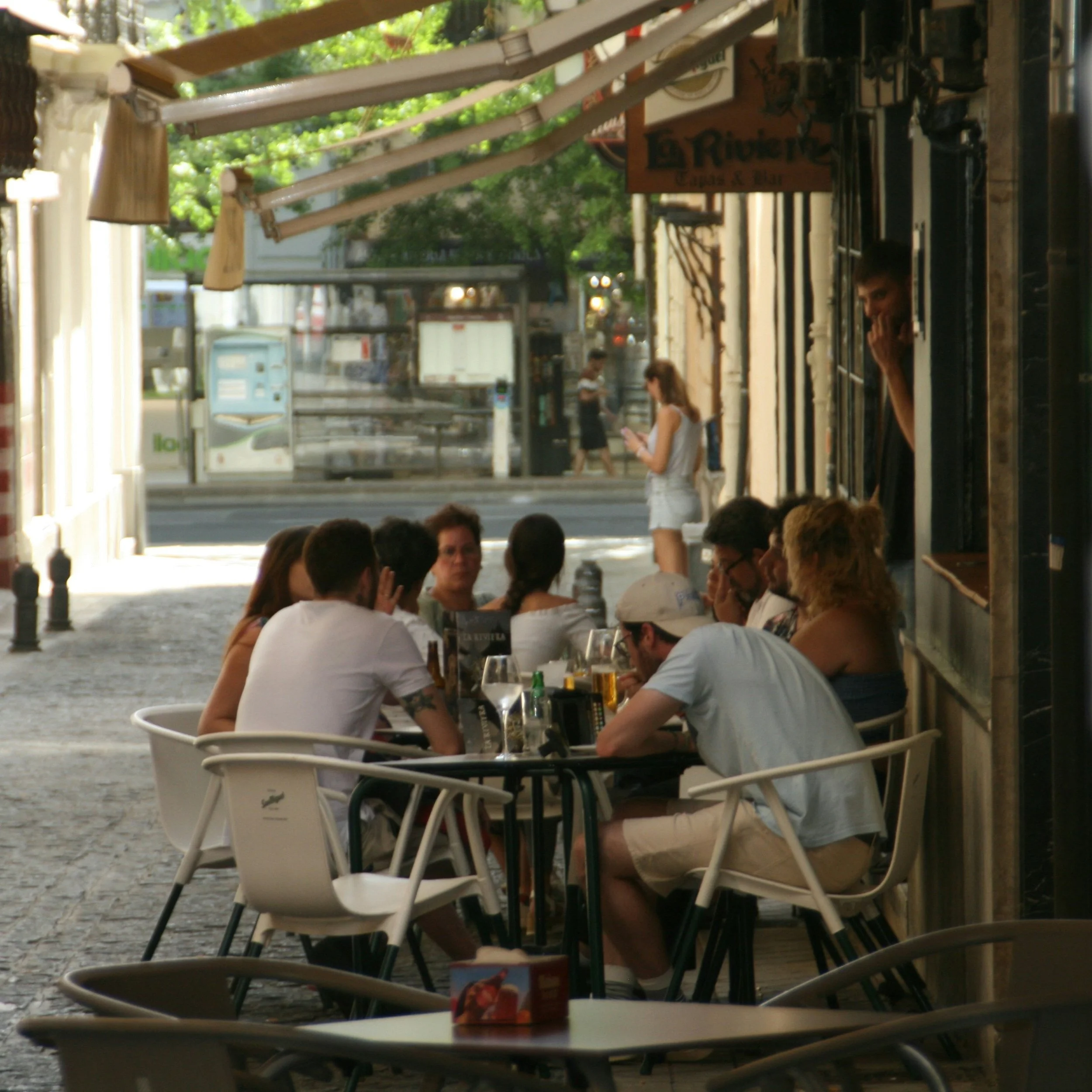
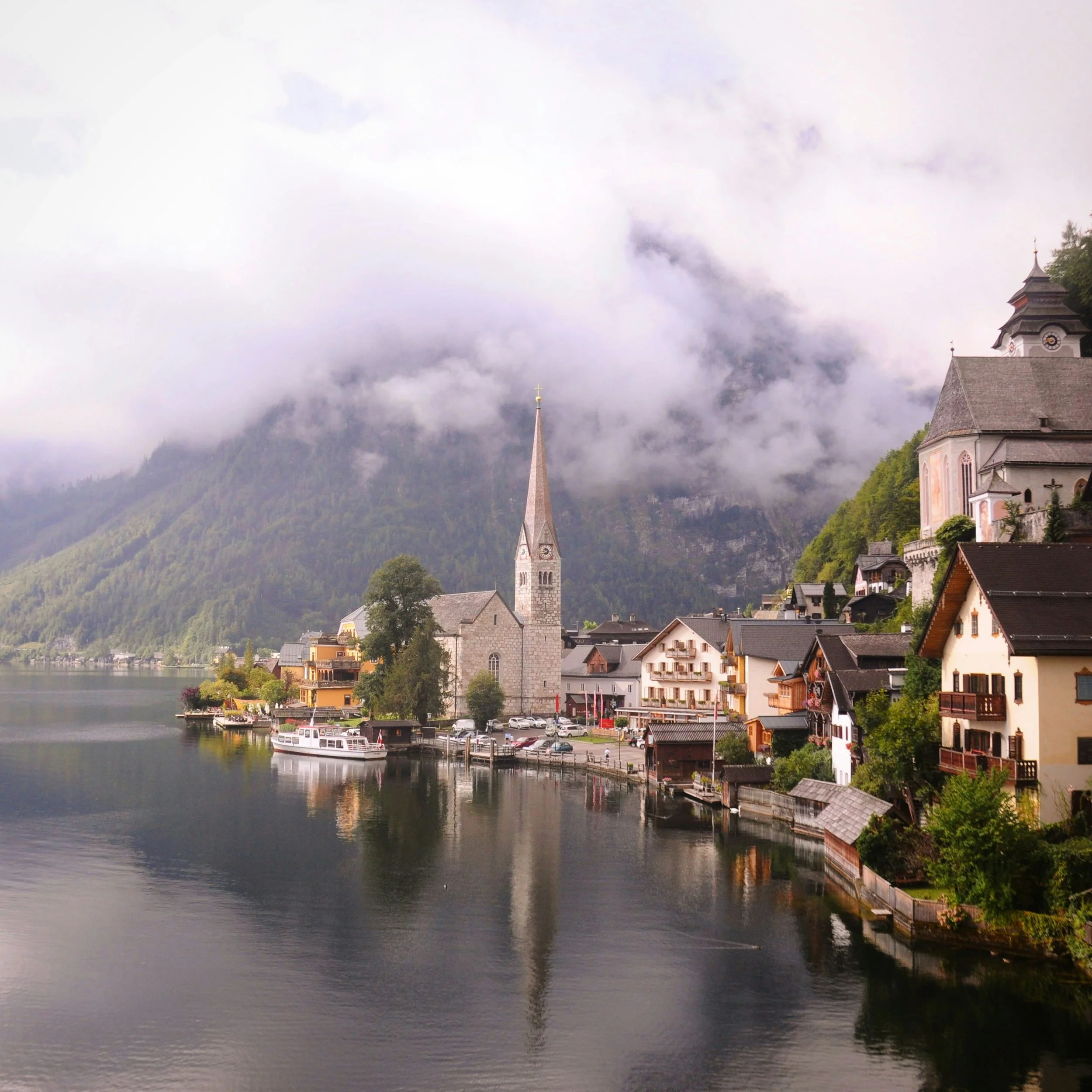
Rather than heading straight for the most famous resorts, travellers are increasingly considering places such as northern Spain, Slovenia, Albania, Montenegro and Georgia. These destinations often offer similar scenery, culture and cuisine, but with fewer crowds and a more relaxed atmosphere.
The challenge, of course, is knowing where to look. While everyone has heard of Barcelona or the Algarve, many travellers are now seeking recommendations that go beyond the obvious. This is where expert advice can be particularly valuable, helping travellers discover destinations they may never have considered themselves.
Shoulder Season Is No Longer a Secret
Traditionally, May, June, September and October were considered the shoulder seasons—great times to travel, but often overlooked.
That is no longer the case.
Many travellers are deliberately avoiding the height of summer, choosing slightly cooler months that offer more comfortable temperatures, lower prices and fewer crowds. Heatwaves and wildfires in parts of southern Europe have encouraged many holidaymakers to rethink the timing of their trips.
For those without school holiday restrictions, travelling outside peak summer can often provide a significantly better overall experience.
Experiences Matter More Than Checklists
Increasingly, travellers are prioritising experiences over sightseeing marathons.
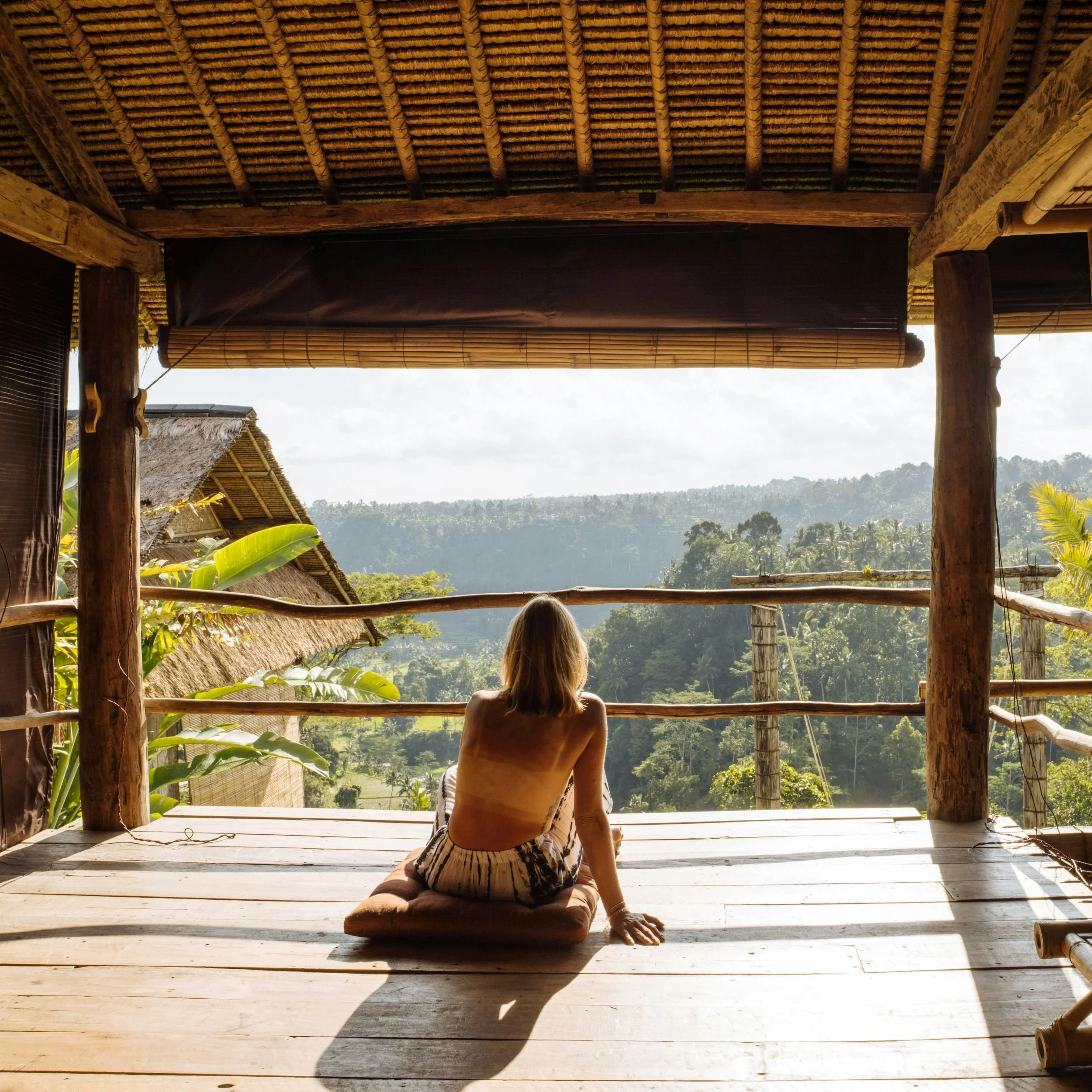
Rather than trying to visit ten attractions in a day, many people are choosing cooking classes, food tours, vineyard visits, hiking adventures and local cultural experiences. The goal is not simply to see a destination but to understand it.
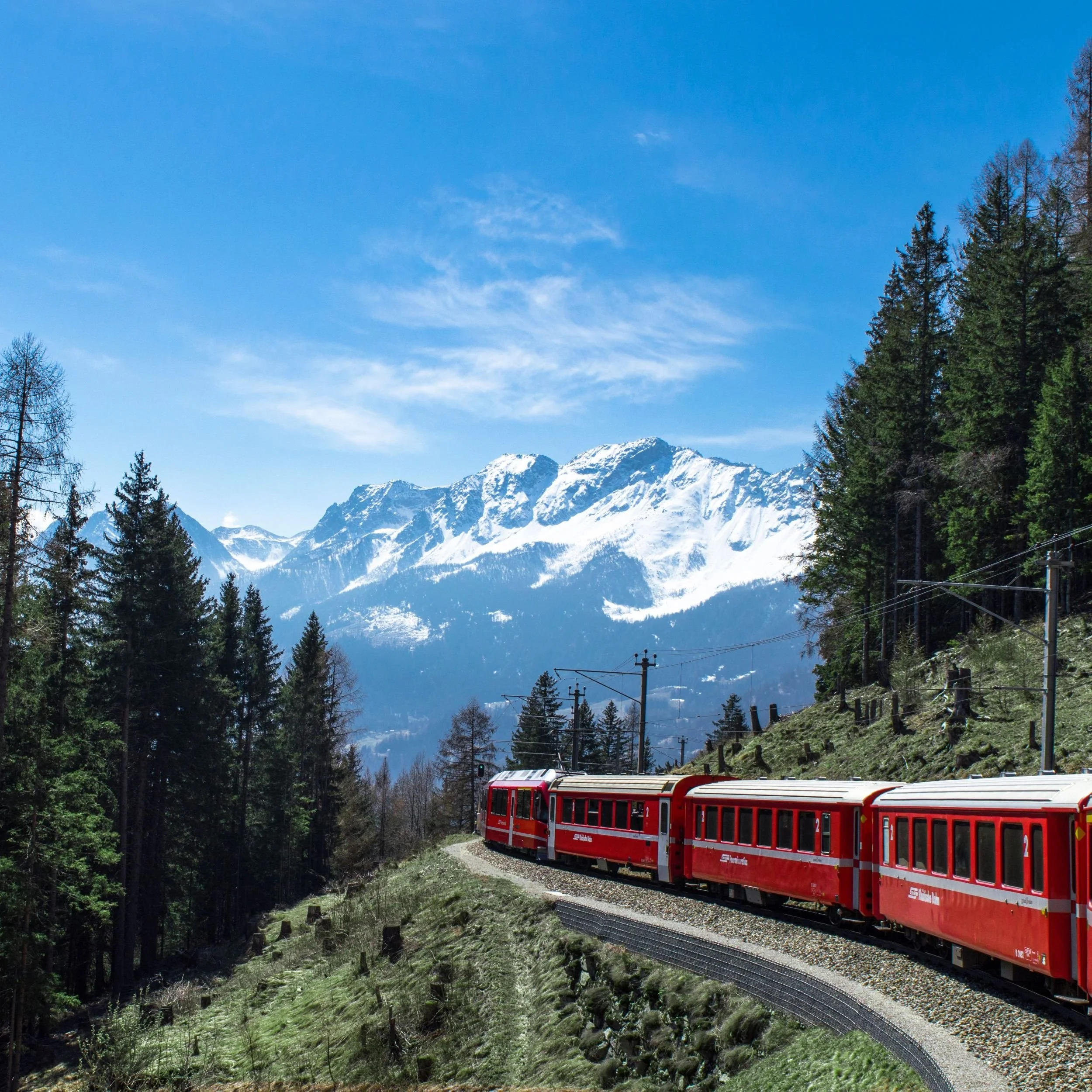
This shift also explains the growing popularity of slow travel, multi-centre holidays and rail journeys, where the journey itself becomes part of the holiday experience.
Flexibility Has Become More Valuable
Travel disruptions, changing regulations and unpredictable events have made flexibility more important than ever.
Many travellers are paying closer attention to cancellation policies, financial protection and the support available if something goes wrong. The value of expert advice has increased as holidaymakers look for reassurance and practical guidance when planning more complex itineraries. Recent changes to European border procedures have also highlighted the importance of allowing extra time when travelling.


Train Travel Is Enjoying a Revival
More travellers are discovering that getting to a destination can be just as enjoyable as being there.
Rail holidays across Europe continue to grow in popularity, with travellers embracing scenic routes, city-to-city journeys and multi-destination itineraries. From Lisbon to Porto, Paris to Nice or Zurich to Milan, train travel offers a more relaxed way to explore Europe while seeing parts of a country that would otherwise be missed.
Quality Over Quantity
Perhaps the biggest change of all is that many travellers are becoming more intentional about how they travel.
Instead of trying to visit as many countries as possible, people are spending longer in fewer places. They are choosing authentic experiences over crowded attractions and memorable moments over packed itineraries.
Planning these types of trips often requires a more personalised approach than simply selecting the cheapest flight and hotel online. Whether it's combining multiple destinations, finding unique accommodation or arranging specialist experiences, travellers are increasingly looking for holidays that reflect their individual interests and travel style.
The result is often a more enjoyable, less stressful and ultimately more rewarding holiday.
The Future of Travel
Travel trends will continue to evolve, but one thing seems clear: travellers are becoming more thoughtful about where they go, when they travel and how they experience a destination.
The holidays that stand out in 2026 are not necessarily the most expensive or the most exotic. They're the ones that feel personal, authentic and genuinely memorable.
And that may be the most important travel trend of all.