
Why Slow Travel Is Growing In Popularity
For many travellers, holidays have traditionally been about seeing as much as possible in the time available. Days are carefully planned, attractions are ticked off and multiple destinations are squeezed into a single trip. While there's nothing wrong with wanting to see the world, more and more people are discovering that slowing down can lead to a far more rewarding travel experience.
What Is Slow Travel?
Slow travel is exactly what it sounds like: spending more time in fewer places and focusing on meaningful experiences rather than packed itineraries.
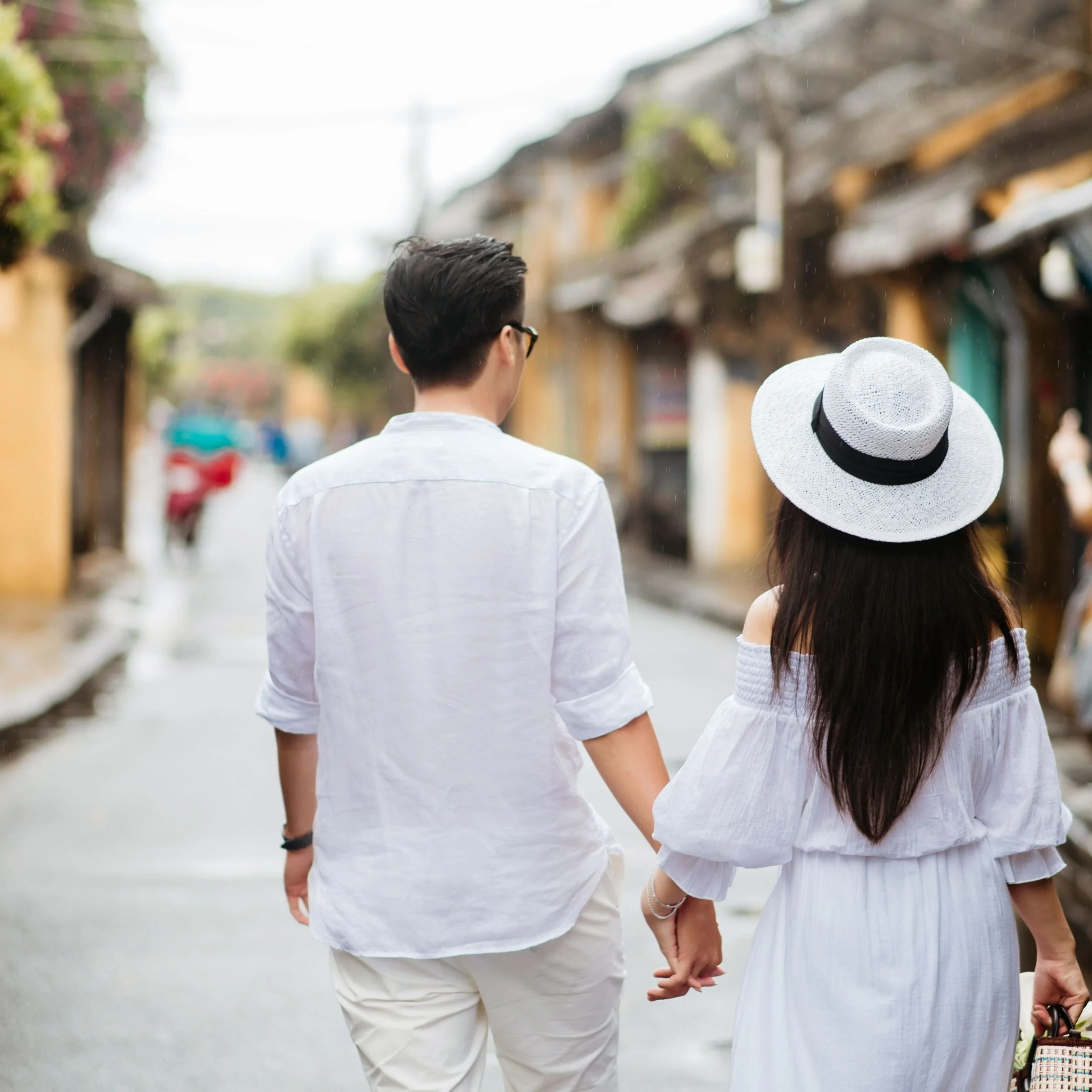
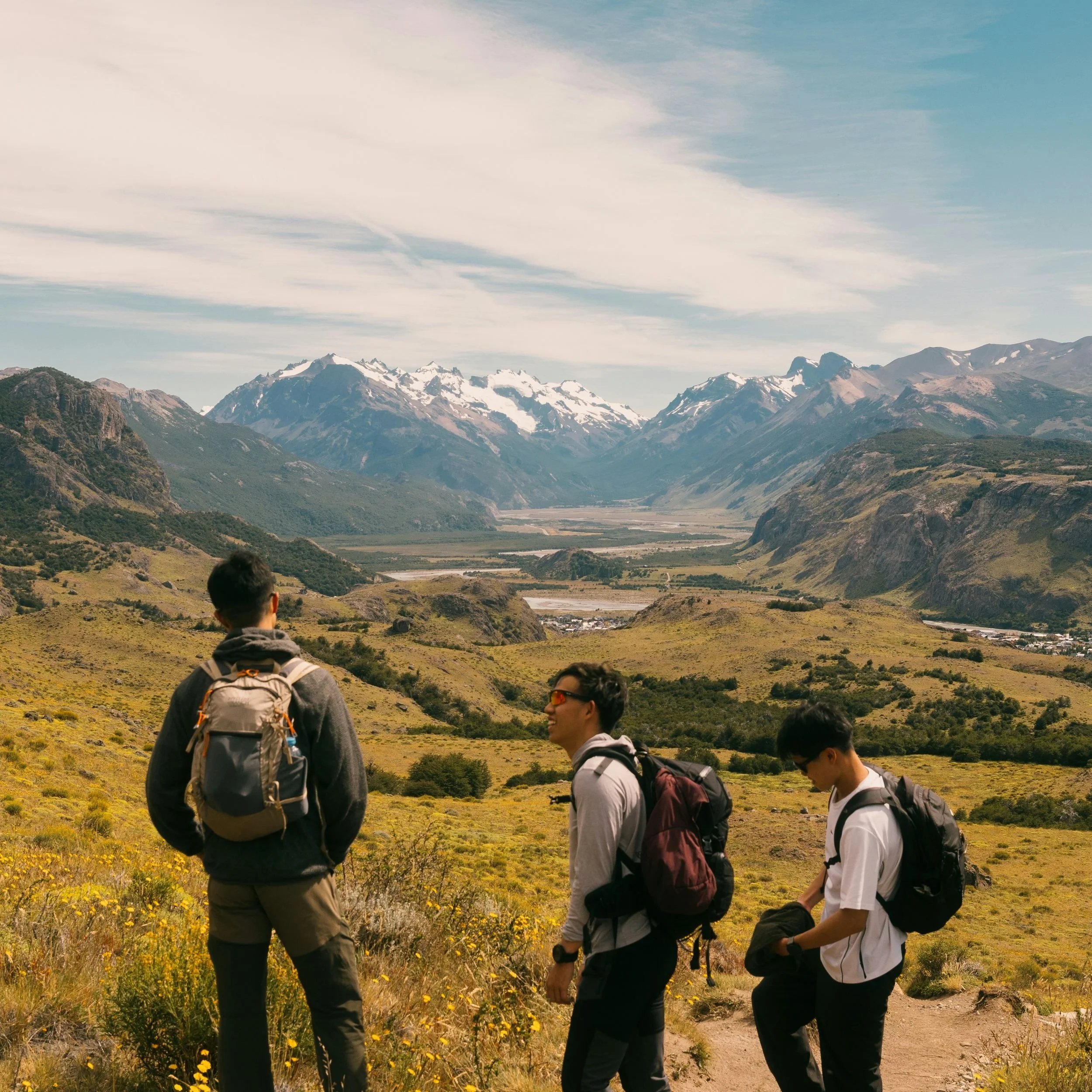
Instead of rushing through three countries in a week, slow travellers might spend their entire holiday exploring one city, region or country. The emphasis shifts from quantity to quality, allowing travellers to immerse themselves in a destination rather than simply passing through it.
Escaping the Rush of Everyday Life
One of the main reasons slow travel is becoming more popular is that modern life often feels incredibly busy. Between work, family commitments and constant notifications, many people crave an opportunity to slow down and switch off.
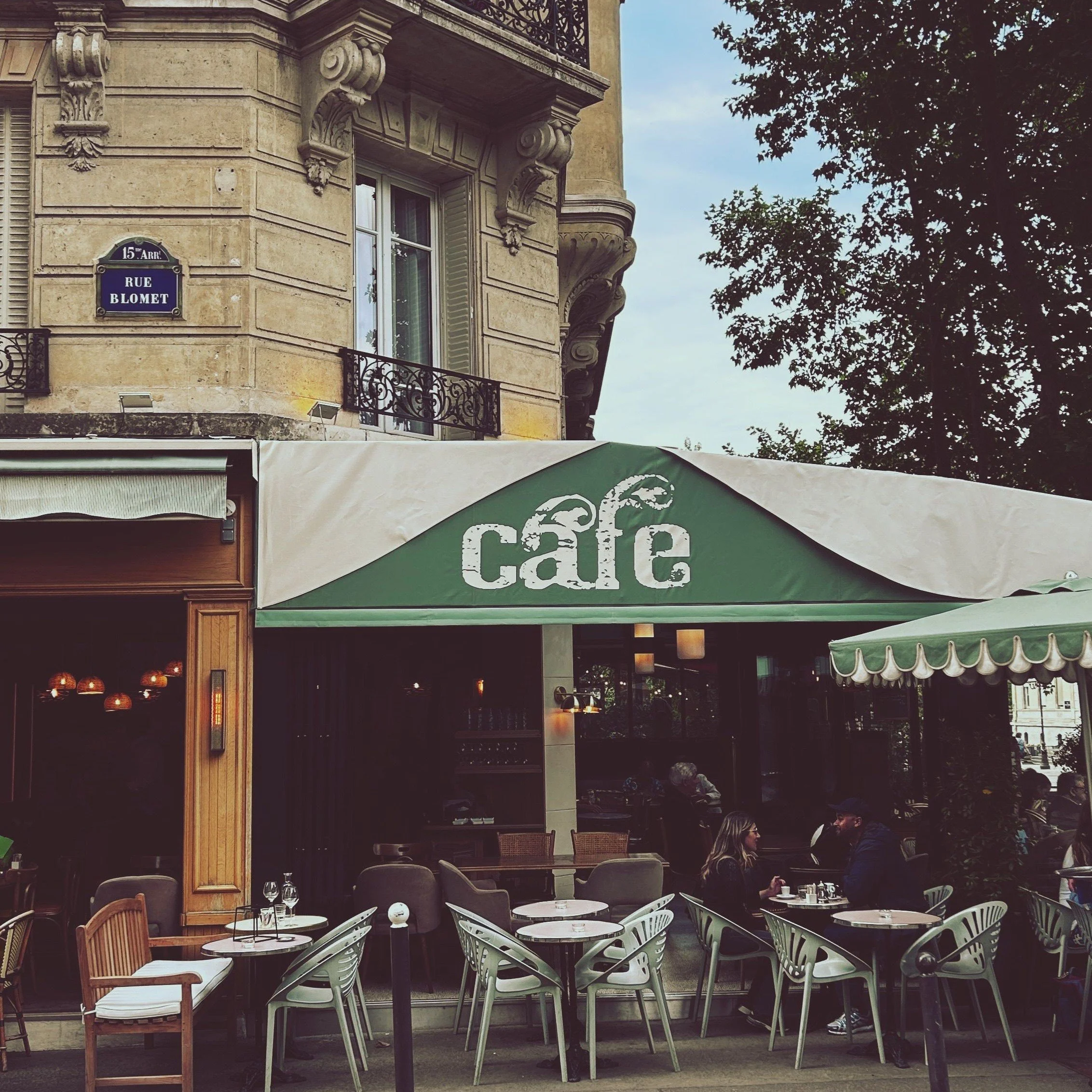
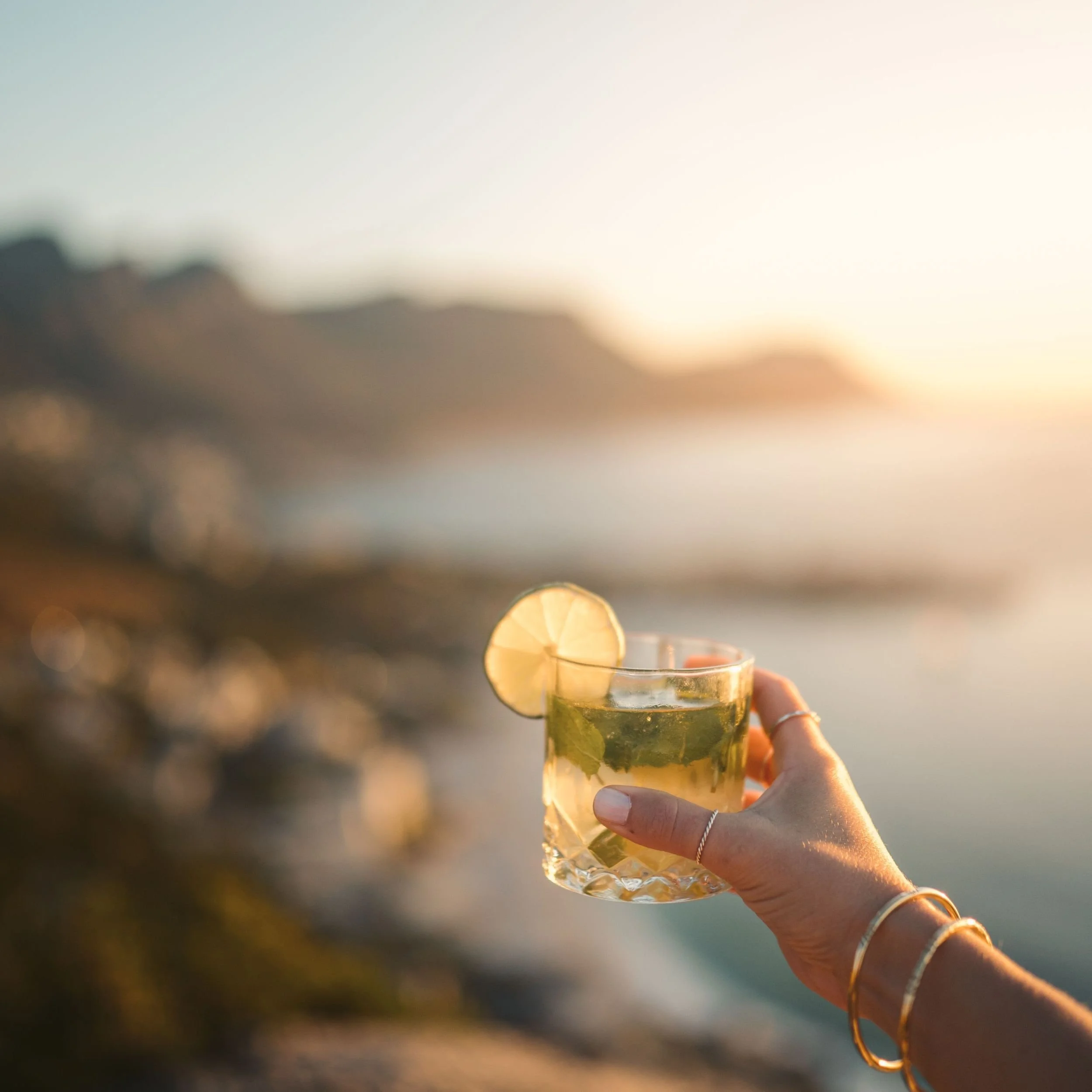
Rather than returning from a holiday feeling exhausted, slow travel encourages a more relaxed pace. There is time to linger over a long lunch, spend an afternoon wandering without a plan or simply sit and watch the world go by from a local café.
For many travellers, this slower pace is exactly what makes a holiday feel like a true break.
A Deeper Connection to Local Culture
When you spend longer in one place, you naturally gain a better understanding of it.
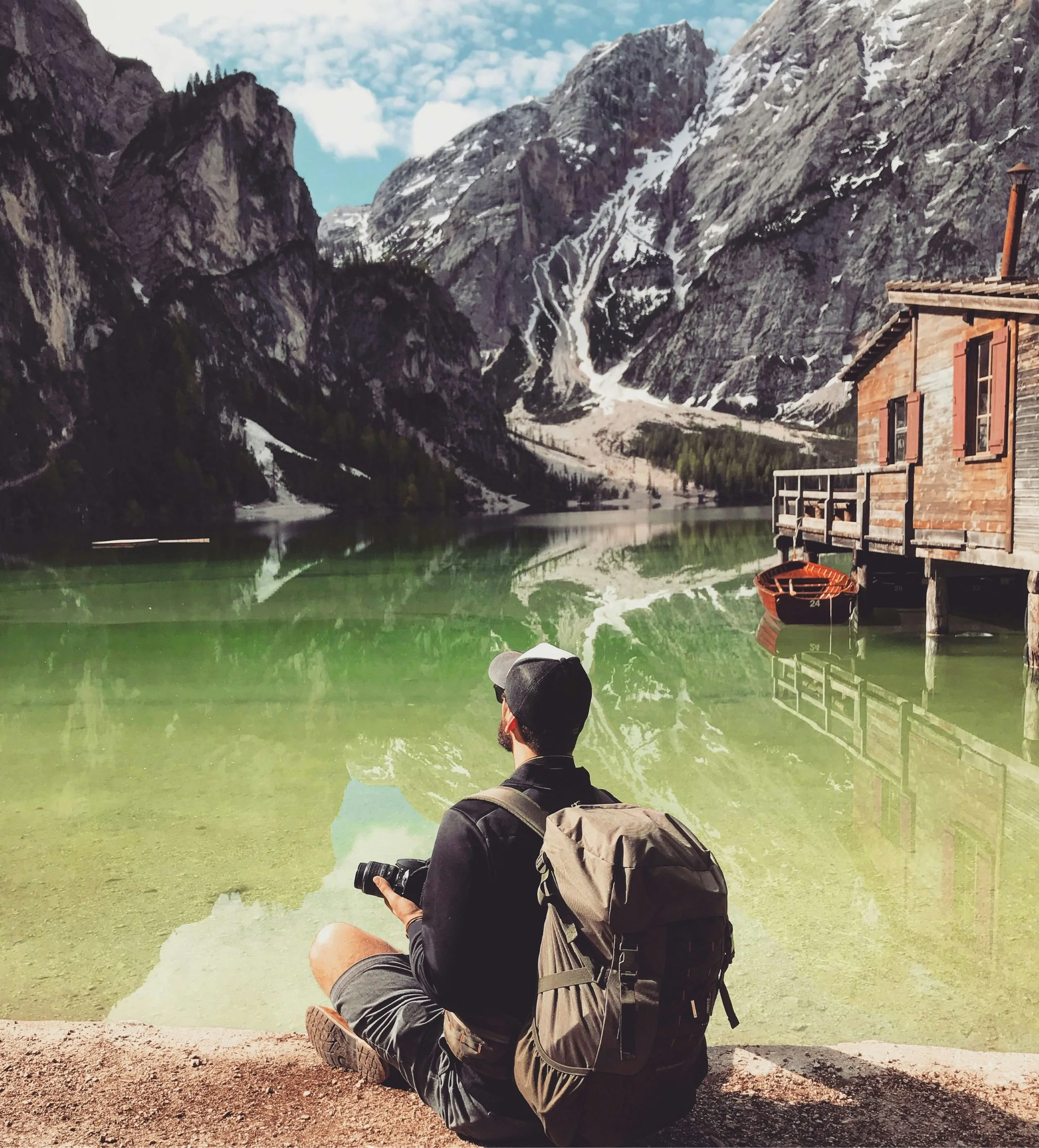
Instead of only visiting the major tourist attractions, slow travellers often discover local markets, neighbourhood restaurants and hidden corners that many visitors never see. They have more opportunities to interact with local people, learn about traditions and experience daily life beyond the guidebook highlights.
These authentic experiences often become the memories that travellers cherish most long after they return home.
The Journey Becomes Part of the Experience
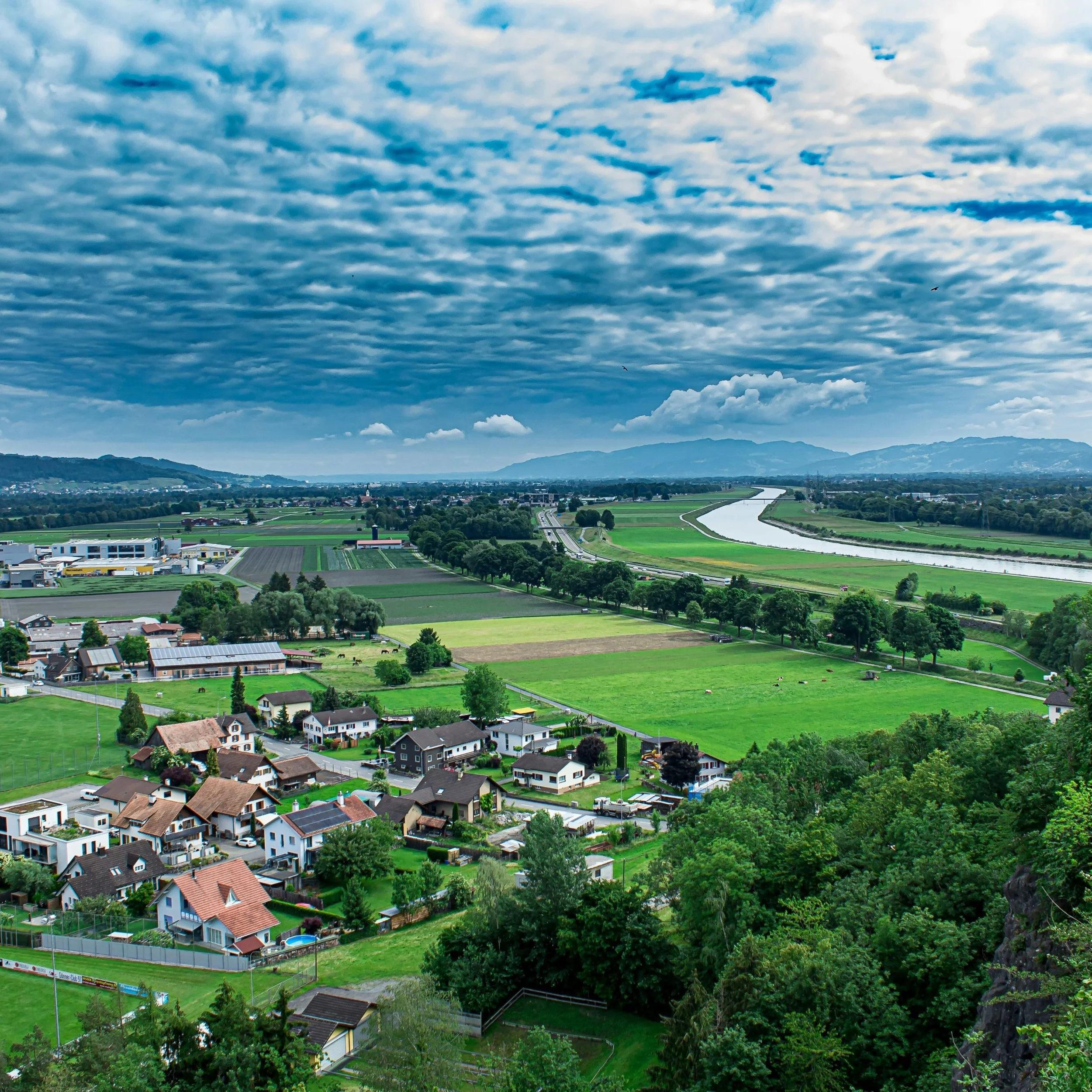
Slow travel also encourages travellers to enjoy the journey itself rather than simply focusing on the destination.
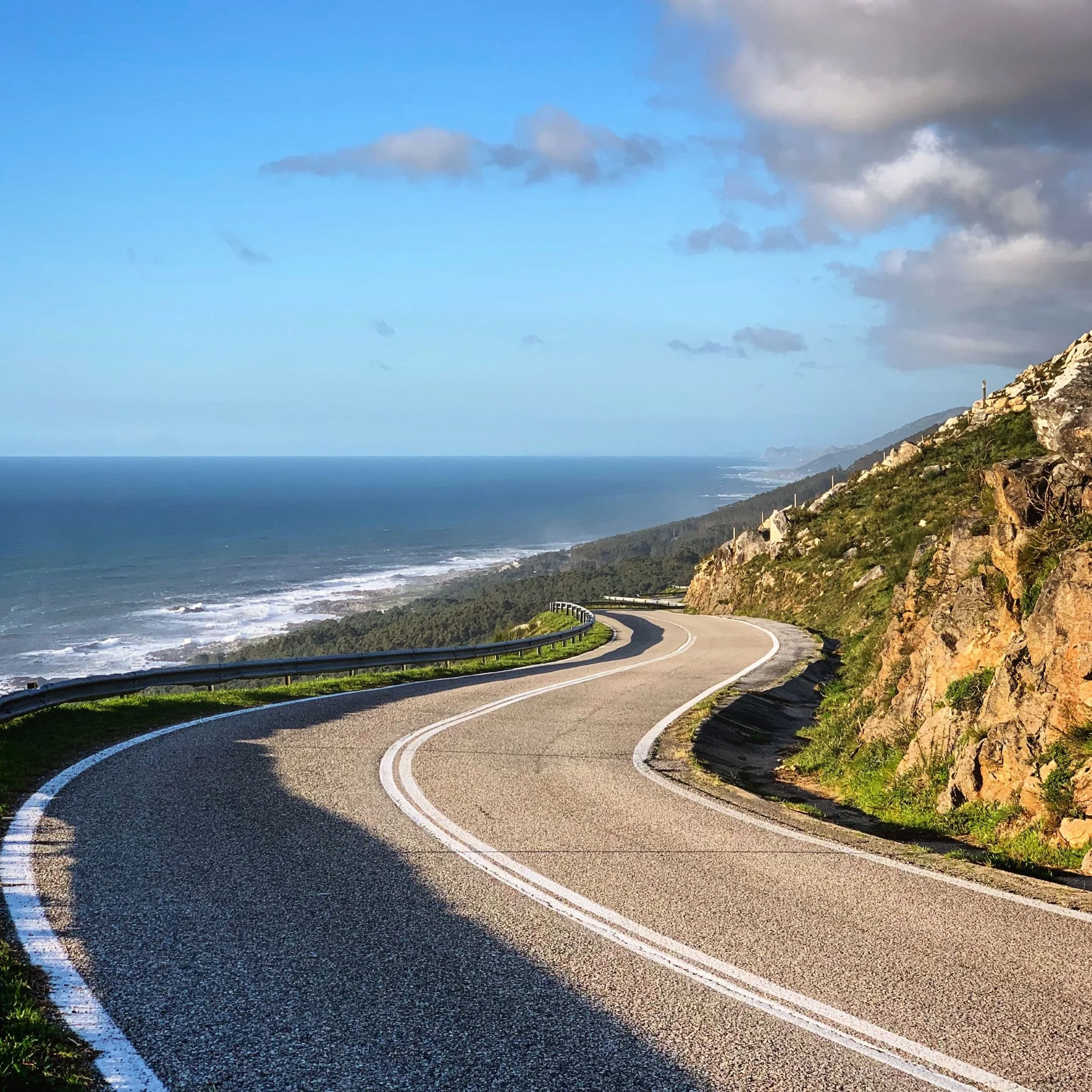
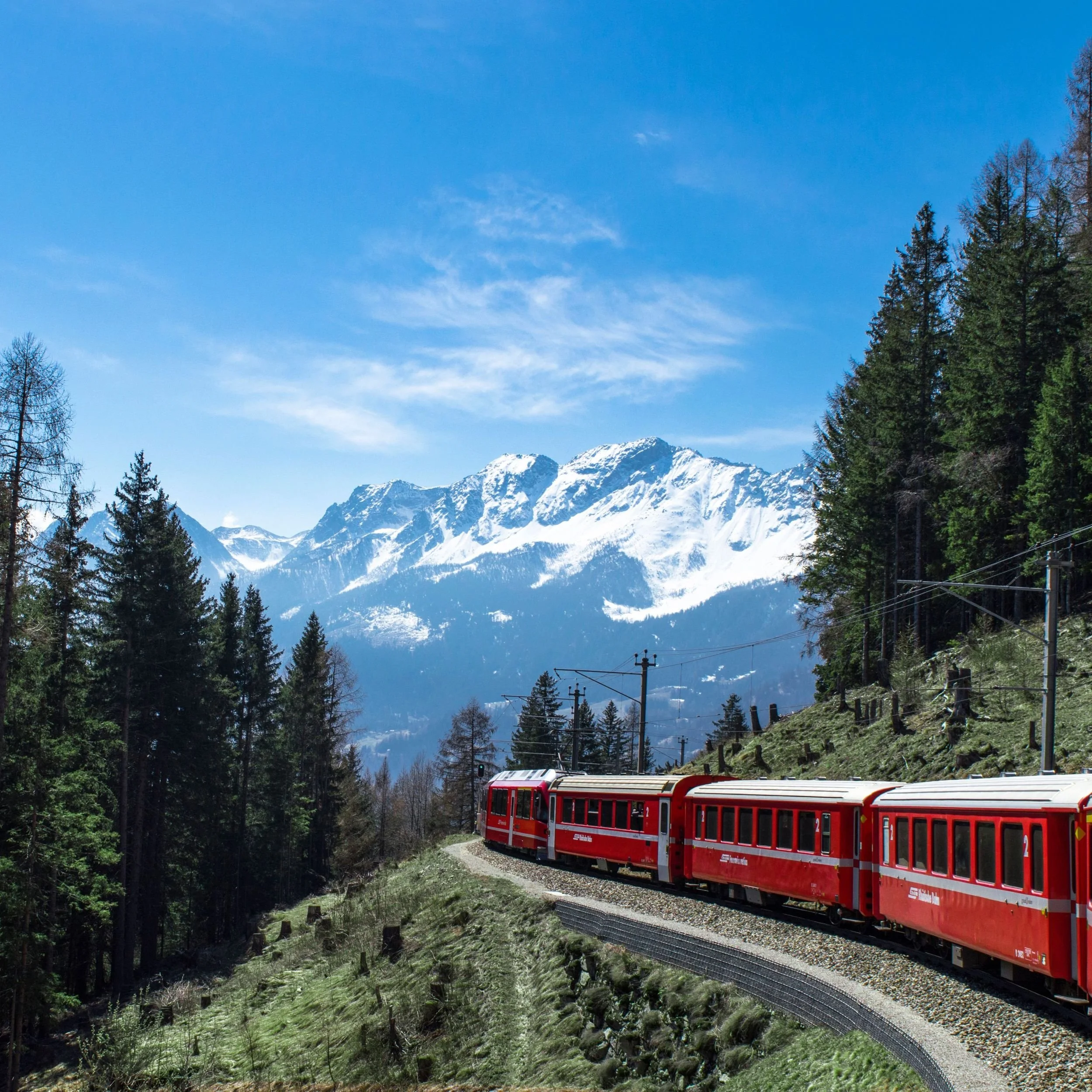
Train journeys through the Swiss Alps, road trips along the coast of Portugal or ferry crossings between Mediterranean islands can become highlights of a holiday rather than merely a means of transport.
This approach allows travellers to appreciate the landscapes, cultures and unexpected moments that happen along the way.
A More Sustainable Way to Travel
As awareness of sustainable tourism grows, many travellers are looking for ways to reduce the environmental impact of their holidays.
While slow travel isn't solely about sustainability, spending longer in one destination often means fewer flights, transfers and short-haul journeys. Many slow travellers choose rail travel, public transport or longer stays, which can help reduce the overall footprint of a trip.
At the same time, spending money within local communities often benefits smaller businesses and independent operators.
Destinations Perfect for Slow Travel
Many destinations are ideal for this style of travel. Tuscany's rolling vineyards, the villages of the Algarve, the Greek Islands, the Scottish Highlands and the wine regions of France all reward travellers who take their time.
Emerging destinations such as Georgia, Slovenia and Montenegro are also attracting visitors looking for authentic experiences away from the crowds.
The common theme is simple - these are places best enjoyed slowly.
Why Slow Travel Is Here to Stay
Slow travel reflects a growing shift in how people view their holidays. Increasingly, travellers are prioritising experiences, connections and wellbeing over trying to see as much as possible.
Rather than collecting destinations, they are collecting memories.
As travellers continue to seek authenticity, relaxation and meaningful experiences, slow travel is likely to remain one of the biggest trends shaping the future of tourism.
After all, some of the best travel memories aren't made while rushing from one attraction to the next—they're made when we take the time to truly experience where we are.