
Why Oman Should Be Your Next Middle Eastern Adventure
When people think of the Middle East, destinations such as Dubai and Abu Dhabi often dominate the conversation. But for travellers seeking authenticity, natural beauty and a slower pace of life, Oman offers something truly special.
What makes Oman stand out is that it isn't trying to be the biggest, tallest or most extravagant destination in the region. Instead, it embraces its rich heritage, stunning landscapes and warm hospitality. The result is a country that feels genuine, welcoming and refreshingly different.
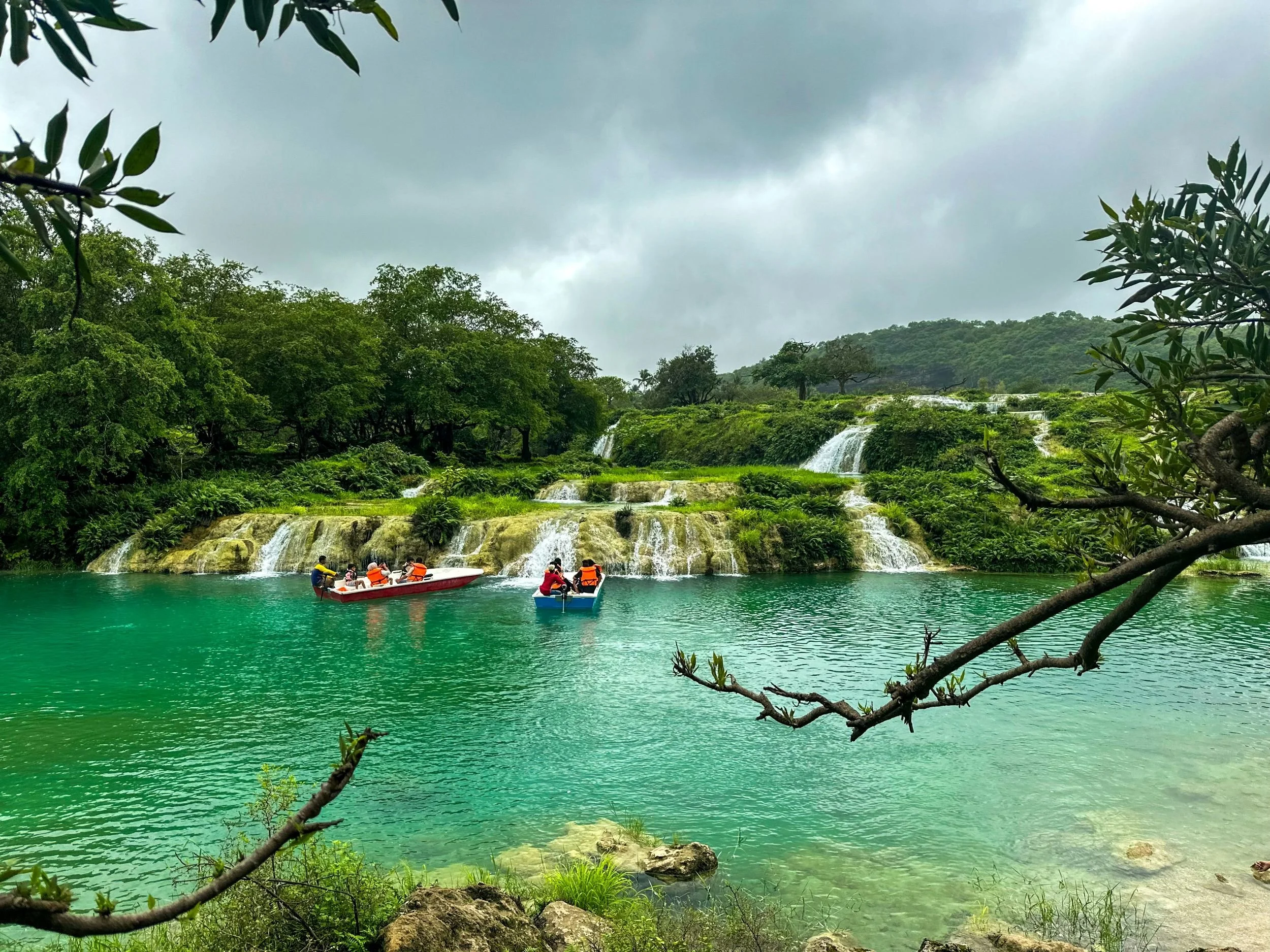
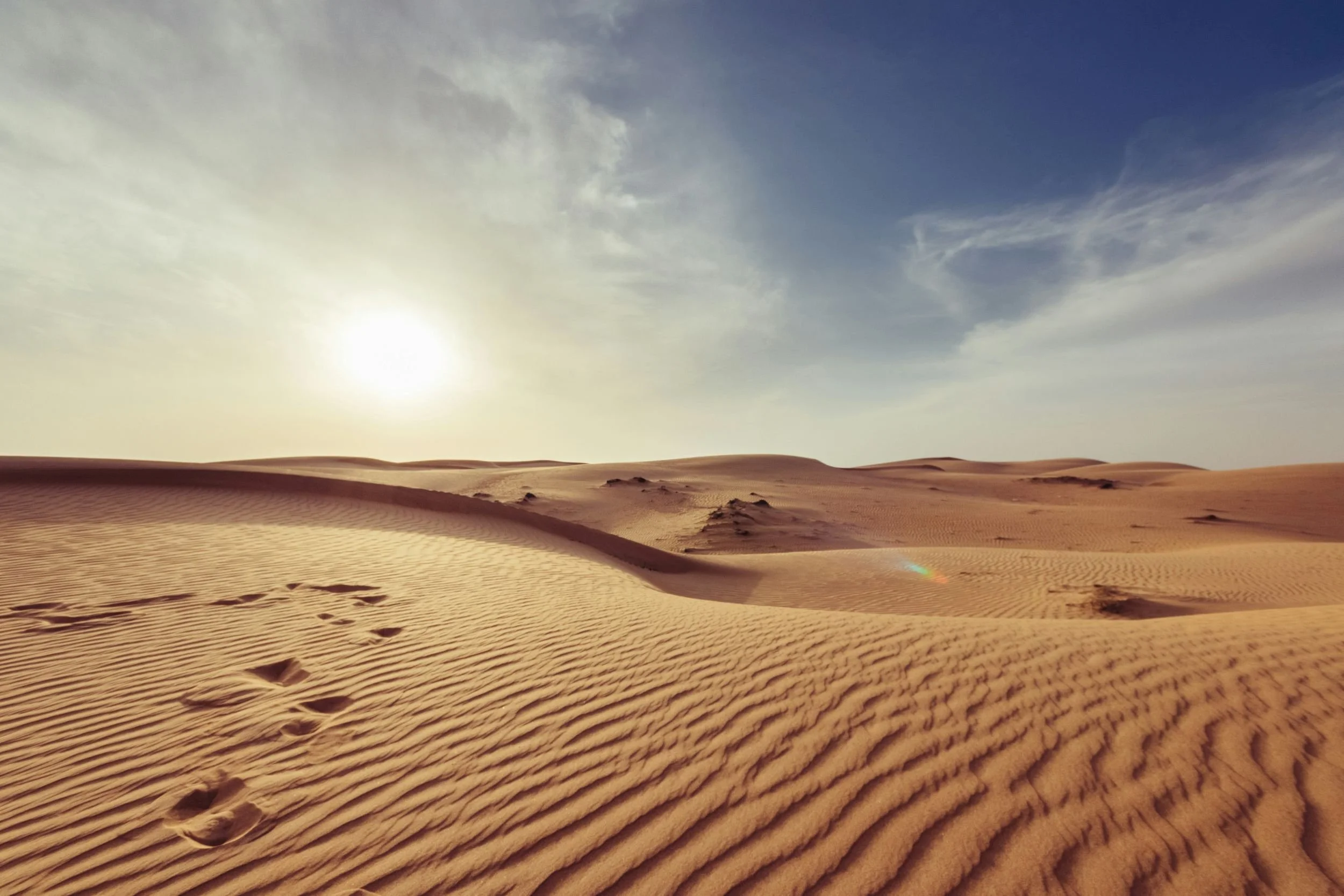
One of Oman's greatest strengths is its incredible variety of scenery. In a single trip, you can explore golden deserts, rugged mountains, dramatic coastlines and lush green valleys. The spectacular Al Hajar Mountains offer some of the best outdoor adventures in the region, with opportunities for hiking, mountain biking and off-road driving. Meanwhile, Oman's famous wadis – natural valleys with crystal-clear pools – provide the perfect place to cool off after a day of exploring. Wadi Shab and Wadi Bani Khalid are among the most popular, and it's easy to see why.
The coastline is equally impressive. Stretching for more than 3,000 kilometres, it features pristine beaches, hidden coves and dramatic cliffs. Dolphin-watching trips, snorkelling excursions and boat tours are widely available, while nature lovers may even spot turtles nesting on the beaches at Ras Al Jinz.
History enthusiasts will find plenty to discover as well. Oman is home to numerous forts and castles that reflect its strategic importance as a trading nation. The imposing forts of Nizwa, Bahla and Nakhal offer fascinating insights into the country's past, while coastal strongholds such as Al Jalali and Al Mirani stand guard over Muscat's harbour. These historic sites are beautifully preserved and provide a glimpse into a time when Oman controlled trading routes stretching across the Indian Ocean.
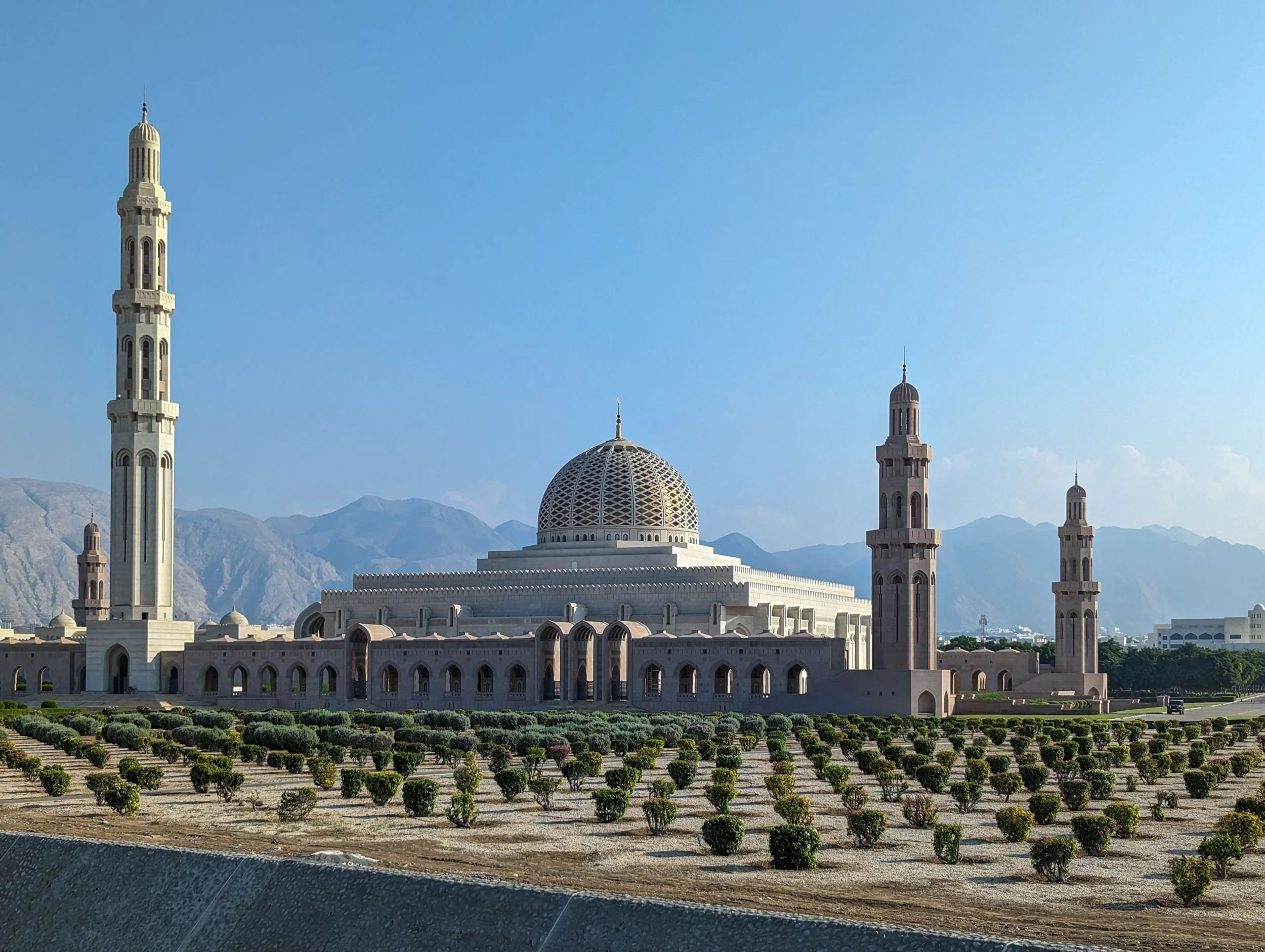
The capital, Muscat, perfectly captures Oman's unique character. Unlike many modern Gulf cities, Muscat has retained its traditional charm. You'll find elegant low-rise architecture, bustling souqs and beautiful mosques rather than forests of skyscrapers. Highlights include the magnificent Sultan Qaboos Grand Mosque, the lively Mutrah Souq and the scenic Corniche, where fishing boats bob gently in the harbour.
Further south lies Salalah, a destination unlike anywhere else in Arabia. During the annual Khareef season between June and September, monsoon rains transform the landscape into rolling green hills, waterfalls and mist-covered mountains. The contrast with the surrounding desert is remarkable and attracts visitors from across the Gulf region.
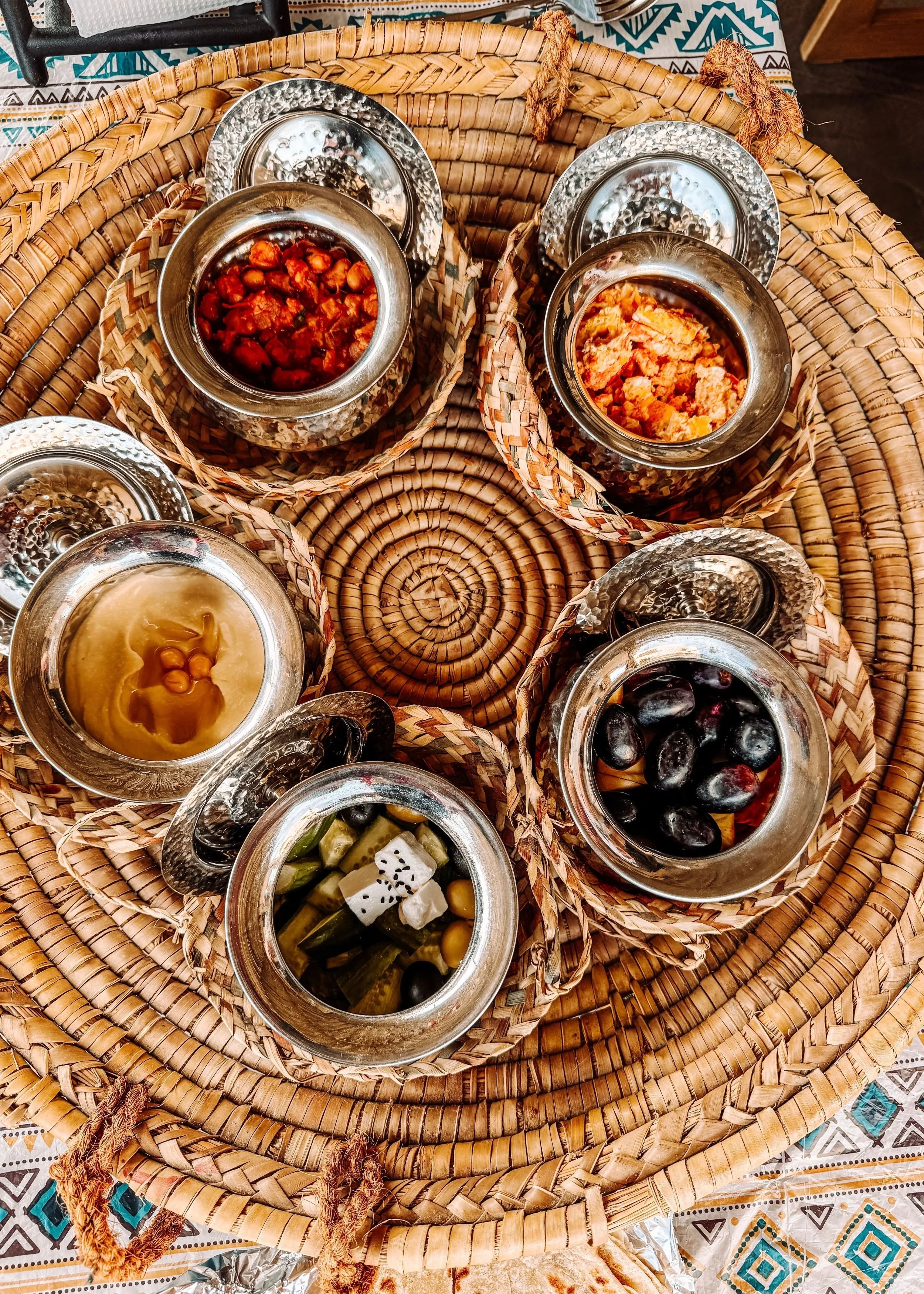
Oman's long history as a maritime trading nation has also shaped its cuisine. Strong trading links with India, East Africa and Persia have created a unique blend of flavours. Visitors can enjoy aromatic curries, grilled seafood and rice dishes infused with fragrant spices. One local speciality worth trying is camel biryani, which combines tender camel meat with the rich spices and cooking techniques influenced by centuries of trade with the Indian subcontinent.
For travellers looking beyond the region's glittering megacities, Oman offers something increasingly rare: authenticity. It's a destination where breathtaking landscapes, rich history, delicious food and genuine hospitality come together to create an unforgettable experience.